Retirement Planning, Taxes, South Florida
Retirement Savings and Taxes: IRA, 401k, and SEP-IRA Strategies for South Florida Workers
South Florida workers enjoy the benefit of no state income tax, but federal taxes still shape how effectively your retirement dollars grow. Understanding 2025 contribution limits and tax rules for IRAs, 401(k)s, and SEP-IRAs can turn your savings plan into a powerful retirement savings tax strategy South Florida professionals can rely on for decades.
Custom HTML/CSS/JAVASCRIPT
2025 IRA Contribution Limits: Traditional and Roth
For 2025, the IRS has set the same contribution caps for both Traditional and Roth IRAs. The combined limit across all your IRAs is $7,000 per person, or $8,000 if you are age 50 or older and eligible for the $1,000 catch-up contribution (IRS Publication 590-A). These limits apply whether you are a salaried employee in Miami or a self-employed professional in Fort Lauderdale; the tax rules are federal and do not change because Florida has no state income tax.
The ability to deduct a Traditional IRA contribution depends on your income and whether you or your spouse are covered by a workplace plan such as a 401(k). In 2025, the deduction begins to phase out at modified adjusted gross income (MAGI) of $79,000–$89,000 for single filers and $126,000–$146,000 for married couples filing jointly who are covered at work. By contrast, Roth IRA contribution eligibility phases out at MAGI of $150,000–$165,000 for single filers and $236,000–$246,000 for married couples filing jointly. These thresholds are crucial for higher-earning South Florida professionals who want to maximize IRA contribution limits 2025 without triggering unexpected tax consequences.
Traditional vs. Roth: Choosing the Right Tax Treatment
The core difference between Traditional and Roth accounts is when you pay tax. With a Traditional IRA, contributions may be tax-deductible today; your investments grow tax-deferred, and withdrawals in retirement are taxed as ordinary income. Required Minimum Distributions (RMDs) generally begin in your early 70s, forcing you to take taxable income whether you need it or not.
With a Roth IRA, you contribute after-tax dollars. There is no deduction now, but qualified withdrawals in retirement are tax-free, and there are no RMDs during your lifetime. For South Florida workers expecting higher tax rates later—or who value flexibility and tax-free income in retirement—Roth accounts can be especially attractive. The same traditional vs Roth tax treatment framework also applies to many 401(k) plans that offer both pre-tax and Roth salary deferral options.
401(k) Tax Benefits for Florida Workers in 2025
For 2025, the employee elective deferral limit to a 401(k) is $23,500. If you are age 50 or older, you can add a $7,500 catch-up, bringing your total to $31,000. Under SECURE 2.0, workers aged 60–63 may be eligible for a “super catch-up” of $11,250, allowing up to $34,750 in employee contributions. These generous limits make 401k tax benefits Florida residents a cornerstone of long-term planning, especially given the absence of state income tax on distributions.
Pre-tax 401(k) contributions directly reduce your federal taxable income. For example, a 45-year-old Miami professional earning $140,000 who contributes $20,000 pre-tax to a 401(k) is taxed as though they earned $120,000 (before considering other deductions). That reduction can lower your current tax bill while simultaneously building your retirement nest egg. Roth 401(k) contributions, by contrast, do not reduce current taxable income but can provide tax-free withdrawals later, mirroring Roth IRA treatment.
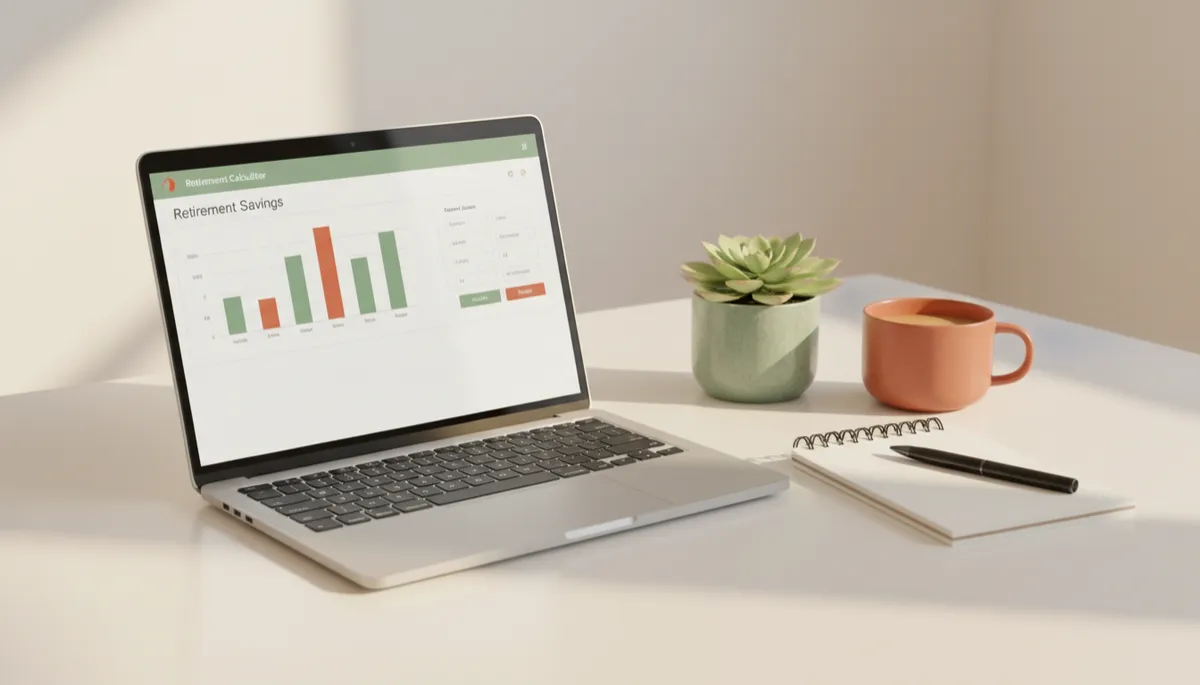
Strategic use of 401(k) and IRA limits can significantly lower lifetime taxes.
SEP-IRA Strategies for South Florida’s Self-Employed
For business owners, independent contractors, and other self-employed professionals, a SEP-IRA can be a powerful tool. In 2025, SEP-IRA self-employed contribution limits are the lesser of 25% of eligible compensation or $70,000, with compensation capped at $350,000. While the calculation for sole proprietors is slightly more complex, the upper dollar limit remains $70,000, far exceeding what you can put into a personal IRA.
SEP-IRA contributions are made by the employer (including when you are both owner and employee) and are generally tax-deductible to the business. For a self-employed consultant in Boca Raton, a well-structured SEP-IRA can dramatically reduce taxable income in high-earning years while building substantial retirement assets. Importantly, having a SEP-IRA can also affect how the IRS applies the pro-rata rule if you pursue a backdoor Roth strategy, so coordination is essential.
How Retirement Contributions Reduce Taxable Income
Pre-tax contributions to Traditional IRAs (when deductible), 401(k)s, and SEP-IRAs lower your adjusted gross income (AGI). This not only reduces the federal income tax you owe today but may also help you qualify for other tax benefits tied to AGI thresholds, such as certain credits or deductions. In a high-cost area like South Florida, where housing and lifestyle expenses can be significant, using every available tax lever is critical to preserving cash flow.
Although Roth contributions do not reduce current taxable income, integrating both pre-tax and Roth accounts can create tax diversification. In retirement, you can pull from taxable, tax-deferred, and tax-free sources to manage your tax bracket year by year—especially useful if future federal tax rates rise or your income pattern changes after leaving the workforce.
The Backdoor Roth Strategy for High-Income Earners
Many South Florida professionals earn too much to contribute directly to a Roth IRA under the 2025 income limits. The backdoor Roth strategy offers a legitimate workaround. First, you make a nondeductible contribution to a Traditional IRA (up to the $7,000 or $8,000 limit). Then, you convert that amount to a Roth IRA, typically soon after the contribution so there is little or no growth to tax on conversion (see guidance from providers such as Fidelity and Investopedia).
The key complication is the IRS pro-rata rule. If you hold other pre-tax Traditional, SEP, or SIMPLE IRA balances, the IRS views all IRAs as one combined pool when calculating how much of your conversion is taxable. This can create an unexpected tax bill if not planned carefully. A coordinated approach—possibly rolling certain balances into a 401(k) and timing conversions—can help South Florida executives and business owners unlock Roth benefits while managing tax exposure.
Aligning Your Retirement Tax Strategy with Your South Florida Lifestyle
Whether you are a W‑2 employee contributing to a 401(k), a self-employed professional funding a SEP-IRA, or a high-income earner exploring backdoor Roth opportunities, the decisions you make today directly influence your after-tax retirement income tomorrow. With no state income tax, Floridians have a unique opportunity to design a retirement income plan that minimizes federal taxes while supporting the coastal lifestyle they value.
📌 Key Takeaway: The most effective strategy blends account types—Traditional, Roth, 401(k), and SEP-IRA—around your current and expected future tax brackets, business structure, and retirement timeline.
A tailored plan can help you capture every available dollar of tax benefit while staying aligned with IRS rules and evolving legislation. To explore which mix of IRA contribution limits 2025, 401k tax benefits Florida rules, and SEP-IRA self-employed options best fits your situation, schedule a confidential strategy session today at https://vffamilyenterprise.com/widget/booking/vf-bookschedule.
Related Articles
 Vivian Coleman Published on: 17/08/2026


