Taxes, Self-Employment, South Florida
Quarterly Estimated Taxes Explained: A Complete Guide for Self-Employed South Florida Workers
Working for yourself in South Florida brings freedom—and the responsibility to handle quarterly estimated taxes. This guide explains who must pay, how to calculate what you owe using IRS safe harbor rules, the 2025 due dates, and practical strategies to avoid penalties and set money aside with confidence.
Custom HTML/CSS/JAVASCRIPT
Who in South Florida Must Pay Quarterly Estimated Taxes?
If you are self-employed in South Florida—whether you are a freelancer, rideshare driver, real estate agent, consultant, content creator, or small business owner—you likely need to make quarterly estimated taxes Florida payments. Because Florida has no state income tax, these payments are made to the IRS only, but they still cover both income tax and self-employment tax (Social Security and Medicare).
According to the IRS, you generally must pay estimated tax if both of the following apply:
You expect to owe at least $1,000 in tax for the year after subtracting withholding and refundable credits, and
Your withholding and credits will be less than the safe harbor thresholds (explained below).
Even if you have a part-time W‑2 job in Miami, Fort Lauderdale, or West Palm Beach, your freelancer taxes South Florida income from side gigs may require quarterly payments if your employer’s withholding is not enough to cover your total tax bill.
How to Calculate Estimated Taxes Using IRS Safe Harbor Rules
The IRS safe harbor rules are designed to help you avoid underpayment penalties, even if your income fluctuates. You are generally protected from penalties if you pay the smaller of:
90% of your current year tax, or
100% of your prior year tax (if your adjusted gross income was $150,000 or less), or 110% if it was higher.
For many self-employed taxpayers, using last year’s numbers is the simplest approach. Here is a step‑by‑step method tailored to self-employed tax payments 2025:
Look at your 2024 federal tax return and find your total tax (Form 1040, line labeled “total tax”).
If your 2024 adjusted gross income was $150,000 or less, multiply that total tax by 100%. If it was higher, multiply by 110%.
Subtract any expected withholding for 2025 (for example, from a part‑time W‑2 job).
Divide the result by four. That is your approximate quarterly estimated payment.
If your income is rising quickly—common for growing South Florida businesses—you may prefer to estimate your current‑year profit instead and pay 90% of that tax. IRS Publication 505 and Form 1040‑ES worksheets provide more detailed guidance, but working with a professional can ensure you stay within safe harbor and avoid surprises.

A simple safe harbor calculation can protect you from costly IRS penalties.
2025 IRS Estimated Tax Due Dates for the Self-Employed
The IRS estimated tax due dates are the same nationwide, including for South Florida residents. For the 2025 tax year, your quarterly payments are generally due on:
1st quarter: April 15, 2025
2nd quarter: June 15, 2025
3rd quarter: September 15, 2025
4th quarter: January 15, 2026
If a date falls on a weekend or federal holiday, the deadline typically moves to the next business day. Mark these dates on your calendar and set reminders so your self-employed tax payments 2025 never slip through the cracks.
How to Avoid Underpayment Penalties
The IRS charges an underpayment penalty when you do not pay enough tax throughout the year via withholding or estimated payments. The penalty is essentially interest on the underpaid amount, calculated using a rate that can change quarterly (see IRS Publication 505 for current details).
To avoid penalties on your quarterly estimated taxes Florida:
Use the safe harbor rules and pay at least 100%–110% of last year’s tax or 90% of this year’s tax, spread evenly across quarters.
Recalculate mid‑year if your income increases significantly—common in seasonal industries like tourism or real estate along the South Florida coast.
If you also have W‑2 income, consider increasing your withholding to help cover tax on your self-employment income.
📌 Key Takeaway: Penalties are often avoidable with a clear estimate, timely payments, and periodic check‑ins on your numbers.
Smart Ways to Set Money Aside for Quarterly Payments
The biggest challenge many South Florida freelancers face is not the math—it is the cash flow. Building a simple system to set funds aside for freelancer taxes South Florida can remove stress and protect your business.
Open a dedicated tax savings account. Each time you get paid, immediately transfer a set percentage (often 25%–30% of net income) into this account.
Automate transfers. If your income is steady, schedule weekly or biweekly transfers to your tax account so you are not tempted to spend the money.
Use bookkeeping software. Track income and expenses monthly so you always know your profit and can adjust your tax savings percentage if needed.
Plan for seasonality. If your work is busier in winter tourist season or during spring events, save extra during high‑income months to cover slower periods.
Treating taxes as a regular business expense—rather than a surprise bill—helps you stay compliant and reduces financial anxiety when deadlines arrive.
Get Professional Help With Your South Florida Estimated Taxes
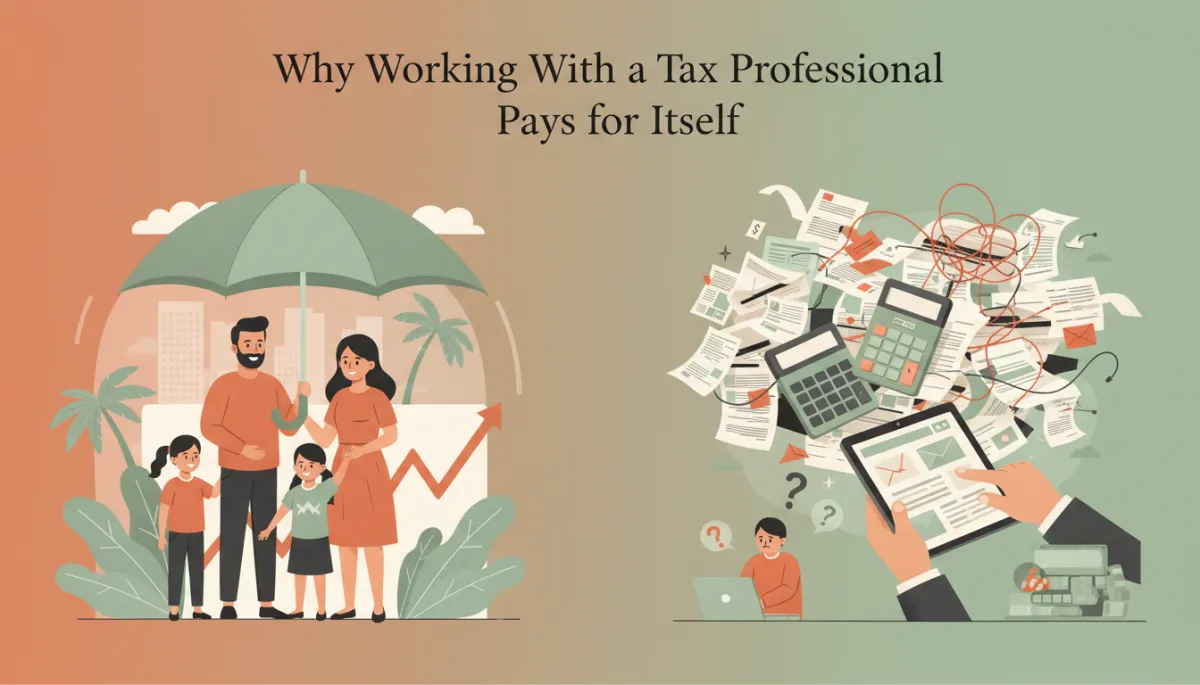
Quarterly estimated taxes do not have to be overwhelming. With the right structure, you can protect yourself from IRS penalties, smooth out cash flow, and focus on growing your business in South Florida’s dynamic market. A tax professional who understands local industries and federal rules can help you choose the best safe harbor approach, refine your estimates, and implement practical systems for saving and paying on time.
If you are ready to simplify your self-employed tax payments 2025 and build a clear plan for your quarterly estimated taxes, schedule a consultation today. Visit https://vffamilyenterprise.com/widget/booking/vf-bookschedule to book a professional review of your situation and create a customized strategy that fits your South Florida business.
Related Articles
 Vivian Coleman Published on: 17/08/2026


