Q3 Estimated Taxes: What Every South Florida Self-Employed Worker Needs to Know Before September 15
If you’re a freelancer, gig worker, or independent contractor in South Florida, the September 15 Q3 estimated tax deadline is not just another date on the calendar—it’s a major checkpoint for your cash flow and your peace of mind. Missing it can trigger penalties, interest, and an ugly surprise next April.
This guide walks you step-by-step through who must pay, how to calculate your payment, what penalties really look like in dollars, and how to stay ahead for Q4 and next year—with clear action steps and links tailored to South Florida self-employed professionals.
Q3 Estimated Taxes Are Due Soon
Avoid penalties by planning before the September 15 deadline—and give yourself enough time to adjust your numbers, gather records, and get help if you need it.
Step 1: Make Sure Q3 Estimated Taxes Apply to You
The IRS expects you to make estimated tax payments if you expect to owe at least $1,000 in tax for the year after subtracting your withholding and refundable credits. This often includes South Florida workers who:
Are self-employed, including freelancers, gig workers, and solo professionals (Uber/Lyft drivers, Instacart shoppers, content creators, barbers, stylists, consultants, etc.)
Own a small business or work as an independent contractor (LLC, sole proprietor, single-member LLC)
Are landlords or investors with significant rental or investment income
Receive 1099 income or other income that does not have taxes automatically withheld
Step 2: Understand Why the September 15 Deadline Matters
The IRS operates on a “pay as you go” system. That means they expect you to pay taxes as you earn income throughout the year—not just when you file your return. Missing the September 15 Q3 deadline can lead to penalties and interest, even if you pay your full balance by next April.
For most calendar-year taxpayers, Q3 covers income earned roughly from June 1 through August 31. In South Florida, this is often a busy season:
Tourism, hospitality, and gig work can spike with summer travel and events.
Many contractors and trades see more projects before peak hurricane season.
Content creators, coaches, and online businesses often run summer promotions.
If your income increased during the summer months, your Q3 payment might need to be higher than earlier quarters to keep you on track.
Step 3: See What the Penalties Really Look Like
Many self-employed people assume, “I’ll just catch up at tax time.” The problem? The IRS charges an underpayment penalty that works like interest on a short-term loan.
The rate changes quarterly, but it has recently been around 8% per year, calculated daily, on the amount you should have paid.
There may also be late payment penalties if you wait until after the due date to pay.
Example: Suppose you should have paid an extra $3,000 in estimated taxes throughout the year but didn’t.
At roughly 8% annualized, that’s about $240 per year in penalty interest.
If that underpayment builds up over several quarters, you could easily see $100–$300 in penalties on top of the tax you already owe.
“Choosing the right estimated tax strategy can help you avoid penalties while keeping more cash in your business throughout the year.”
— Tax Planning Insight from VF Family Tax Services, North Lauderdale
Step 4: Choose How to Estimate Your Q3 Payment
There are two common ways to calculate your estimated taxes. Which one you choose depends on how steady—or unpredictable—your income has been this year.
Safe Harbor Method: Pay at least 100% of last year’s total tax (110% for higher-income taxpayers), divided evenly across four quarterly payments. This method:
Protects you from penalties, even if your income increases this year.
Is easier if your income is unpredictable, but may mean overpaying if your income dropped.
Current-Year Method: Estimate what you’ll owe for this year based on your year-to-date income and projections for the remaining months, then divide into quarterly payments. This method:
Helps you match payments to your actual income, which is great if your business is growing or seasonal.
Requires better recordkeeping and more frequent check-ins with your numbers.
Step 5: Use This Quick Q3 Calculation Checklist
Here’s a simple way to get a working Q3 estimate:
Total your year-to-date self-employed income (January 1 through August 31): 1099s, app payouts, Zelle/Venmo/PayPal business payments, cash, and checks.
Subtract your business expenses (mileage, supplies, software, phone, home office, etc.).
Estimate your full-year income by projecting what you expect to earn from September through December.
Apply an estimated tax rate (often 20–30% for federal income and self-employment tax combined, depending on your situation).
Subtract what you’ve already paid in estimated taxes for Q1 and Q2.
Divide the remaining amount between Q3 and Q4, adjusting Q3 upward if your summer income was higher than earlier in the year.
Step 6: Avoid These Common Q3 Mistakes
Ignoring summer income spikes: Seasonal or project‑based work can cause underpayment if you only rely on earlier quarters.
Forgetting new income streams: Side gigs, rental properties, or new contracts should be included in your estimate—even if they’re “just a little extra.”
Not accounting for deductions: Business expenses, retirement contributions, and health insurance premiums can reduce your taxable income and your Q3 payment.
Waiting until the last minute: Rushing increases the chance of errors and missed opportunities to save—especially if you need time to pull bank statements or mileage logs.
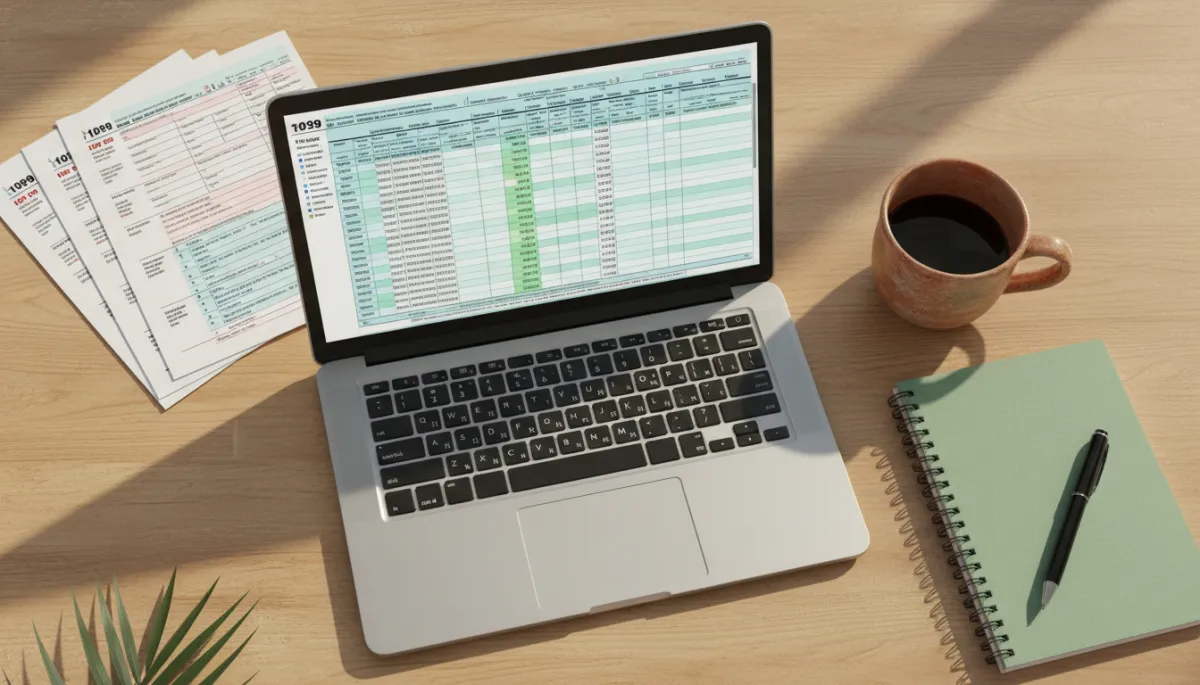
Overhead shot of a South Florida freelancer’s desk with a laptop open to a tax spreadsheet, a... A 15‑minute quarterly review can prevent costly surprises at tax filing time.
Step 7: How to Pay Your Q3 Estimated Taxes (Without Stress)
Once you’ve calculated your Q3 amount, you have several options to make your payment:
IRS Direct Pay: Pay directly from your bank account without fees. Fast and simple for one‑time payments.
Electronic Federal Tax Payment System (EFTPS): Ideal for businesses making recurring payments or those who like to schedule payments in advance.
Credit or debit card: Convenient but may include processing fees. Sometimes helpful if you need a little extra time to manage cash flow.
Mailing a check with Form 1040‑ES voucher: Be sure to mail early enough for it to arrive by September 15, especially with potential mail delays.
Step 8: Plan Ahead for Q4 and Next Year
Once your Q3 payment is handled, it’s the perfect time to revisit your overall tax strategy for the rest of the year. Small moves now can make a big difference in April:
Adjust your Q4 estimated payment based on updated income and deductions.
Consider timing equipment purchases or business investments before year‑end to maximize deductions.
Review retirement contributions and health insurance options that can lower your taxable income.
If you’re in South Florida and want a deeper dive on this topic, review our guide on the September 15 estimated tax deadline for more localized insights and examples.
And if you’re running your own business or working for yourself, make sure you’re not leaving money on the table. Our article on self-employed deductions you might be missing walks through common write‑offs that can lower your quarterly and annual tax burden.
Scene of a South Florida tax and a self-employed client sitting at a small round table,... A short strategy session can often save more than the cost of the visit.
Step 9: Book Your Q3 Tax Consultation with VF Family Tax Services
September 15 is coming fast. Instead of guessing your Q3 payment—or hoping you’re close enough—sit down with a professional who understands South Florida self‑employed life, local industries, and the realities of variable income.
VF Family Tax Services, run by Vivian Coleman, MSN in North Lauderdale, focuses on helping freelancers, gig workers, and small business owners stay compliant and keep more of what they earn.
During your session, we can:
Review your year‑to‑date income and expenses.
Calculate a Q3 payment that fits your cash flow and avoids penalties.
Identify deductions and strategies specific to your work and industry.
Don’t wait until the last minute—or until tax season—to find out what you should have paid. Take control of your Q3 estimated taxes now, and head into Q4 with clarity and confidence.
Vivian Coleman is a South Florida tax professional and founder of We Are Family Tax Services, helping individuals, families, and self-employed clients file with confidence and keep more of what they earn.
 Vivian Coleman Published on: 17/08/2026