Taxes, Estimated Payments, Self-Employed, South Florida
Q3 Estimated Taxes Are Due September 15: What South Florida Self-Employed Workers Need to Do Now
If you are a freelancer, contractor, gig worker, or self‑employed professional in South Florida, the Q3 estimated tax deadline around September 15 is not just another date on the calendar—it is a hard line the IRS expects you to meet. Miss it, and you could face penalties, interest, and a painful surprise bill next spring. Handle it now, and you turn taxes into a predictable, manageable part of running your business.
This updated guide from VF Family Tax Services, led by Vivian Coleman, MSN in North Lauderdale, walks South Florida independents step‑by‑step through:
What quarterly estimated taxes are—and why the IRS expects you to pay them
Who in Miami‑Dade, Broward, and Palm Beach must make Q3 payments
A simple, actionable method to calculate what you owe for Q3
What happens if you miss the September 15 deadline—and how to limit the damage
How a local tax pro can help you avoid penalties and protect your cash flow
📌 Quick CTA: If you are already behind or unsure what to pay, skip the guesswork. Book a free consultation with VF Family Tax Services and let us run the numbers for you before the deadline hits.
Custom HTML/CSS/JAVASCRIPT
What Are Quarterly Estimated Taxes—and Why Do They Matter for You?
The U.S. tax system is “pay as you go.” When you have a traditional job, your employer withholds federal income tax, Social Security, and Medicare from each paycheck. But when you are self‑employed or paid on 1099, no one is doing that for you. The IRS still expects to receive money throughout the year—just directly from you instead of from an employer.
These periodic payments are called estimated taxes. They generally cover:
Federal income tax on your profit or net income
Self‑employment tax (your Social Security and Medicare as a self‑employed person)
In some cases, other taxes like alternative minimum tax
For estimated tax purposes, the year is divided into four payment periods. The third‑quarter payment for the 2026 tax year is generally due on or around September 15, 2026. Because dates can shift when weekends or holidays are involved, always confirm the exact deadline each year at IRS.gov or with a tax professional.
If you wait until tax season to think about taxes, you are already behind. Estimated payments are how self‑employed South Floridians stay ahead of the IRS and ahead of cash‑flow surprises.
Who in South Florida Must Pay Quarterly Estimated Taxes?
Not every taxpayer in South Florida needs to worry about estimated payments. The IRS generally expects you to make quarterly payments if both of the following apply:
You expect to owe at least $1,000 in tax for the year after subtracting withholding and refundable credits; and
Your withholding and refundable credits will be less than the smaller of:
90% of the tax you will owe for the current year, or
100% of the tax you owed on your prior‑year return (110% for some higher‑income taxpayers).
In practice, the following South Florida taxpayers frequently need to make quarterly estimated payments:
Self‑employed professionals such as consultants, real‑estate agents, therapists, beauty professionals, and independent contractors across Miami‑Dade, Broward, and Palm Beach counties
Freelancers and gig workers, including creatives, rideshare drivers, delivery workers, and online sellers whose income is reported on Forms 1099‑NEC or 1099‑K rather than a W‑2
Landlords and investors with significant rental income, interest, or dividends that do not have sufficient withholding
Retirees with pension or IRA distributions where not enough tax is being withheld to cover their total liability
💡 Note for Floridians: Florida does not impose a state personal income tax, but federal estimated tax rules still apply. Living in Miami, Fort Lauderdale, or West Palm Beach does not exempt you from quarterly federal payments.
📌 Not sure if this applies to you? A quick review of last year’s return and your 2026 income can answer that. Schedule a free call with Vivian at VF Family Tax Services and get clarity before the Q3 deadline.
How to Calculate Your Q3 Estimated Tax Payment in 5 Clear Steps
Calculating estimated taxes can feel overwhelming—especially when your income changes month to month, which is the reality for many South Florida freelancers and small business owners. The IRS provides Form 1040‑ES, which includes a worksheet to help you estimate your taxable income, deductions, credits, and total tax for the year. But you can think of it in five clear steps:
Estimate your total 2026 income from all sources that are not fully covered by withholding (self‑employment, freelance projects, rents, interest, dividends, etc.).
Subtract your business expenses and adjustments. This includes deductible business expenses, retirement contributions, and other adjustments to arrive at your estimated adjusted gross income (AGI).
Apply deductions and estimate your income tax. Use the standard deduction or your itemized deductions to estimate your taxable income, then use the current IRS tax rate schedules to calculate your income tax.
Add self‑employment tax and subtract credits. Add self‑employment tax, if applicable, and subtract any anticipated credits (such as the child tax credit or education credits).
Account for withholding and prior payments. Subtract expected withholding from any W‑2 or pension income. The balance is your estimated tax for the year. Divide that by four to estimate your quarterly payments, then adjust your Q3 amount for what you already paid in Q1 and Q2.
💡 Practical tip: Many self‑employed South Floridians set aside a fixed percentage of each client payment—often 25%–30%—into a separate savings account earmarked for taxes. This simple habit makes Q3 and other quarterly deadlines far less stressful.
For a deeper walkthrough of the math and safe‑harbor rules, check out our complete estimated tax guide designed specifically for South Florida taxpayers.

Careful quarterly planning can turn year‑end tax surprises into manageable routine payments.
What Happens If You Miss the September 15 Q3 Deadline?
Ignoring or missing the Q3 estimated tax deadline can be costly. The IRS may assess a penalty for underpayment of estimated tax if you do not pay enough tax throughout the year—either through withholding or estimated payments—even if you ultimately receive a refund when you file your return. The penalty works like interest on the amount you should have paid, calculated for the period it was underpaid.
Beyond the formal penalty, missing quarterly payments creates a serious cash‑flow problem. Instead of making four smaller payments spread across the year, you may find yourself facing a large balance due by the April filing deadline—right when other expenses, such as insurance renewals or seasonal business slowdowns, may also be pressing. In severe cases, continued non‑payment can lead to IRS collection actions, including liens or levies on assets, although most individuals can avoid this outcome by addressing issues early and communicating with the IRS or a tax professional.
⚠️ Important: Penalties can apply even if you ultimately pay your full tax by the filing deadline. The key factor is whether you paid enough during the year, on time, through withholding and estimated payments.
If you have already missed a payment or know you are behind, do not wait. Book a free consultation with VF Family Tax Services to review your situation, reduce penalties where possible, and get back on track before the next deadline.
Make Q3 Easier: Simple Systems for Tracking Income and Deductions
One reason many South Florida freelancers and gig workers fall behind on estimated taxes is poor tracking. If your income and expenses are scattered across apps, bank accounts, and paper receipts, it is almost impossible to confidently estimate what you owe for Q3.
Use a dedicated business bank account so deposits and expenses are easy to see.
Track every business expense—mileage, home office, supplies, software, marketing—so your taxable income is not higher than it needs to be.
Set a recurring weekly “money date” to update income, expenses, and your tax savings account.
Better tracking not only lowers your tax bill—it also makes your Q3 estimate faster and more accurate. For step‑by‑step ideas, read our guide on how to track your self-employed deductions so you do not leave money on the table.
How VF Family Tax Services Helps South Florida Filers Stay Ahead
While the IRS provides tools and worksheets, many self‑employed filers, freelancers, and gig workers in South Florida prefer to work with a professional tax preparer to manage estimated payments. Partnering with VF Family Tax Services, run by Vivian Coleman, MSN in North Lauderdale, offers several concrete advantages:
Accurate projections: We analyze your prior‑year return, current‑year income trends, and planned changes—such as a new business venture, property purchase, or change in gig platforms—to create realistic quarterly estimates and avoid underpayment penalties.
Strategic tax planning: We help you structure your business, choose retirement plans, and time major expenses or equipment purchases to manage taxable income and smooth your quarterly obligations.
Compliance and documentation: We guide you through using IRS Form 1040‑ES, maintain digital records of payments, and ensure that online payments through IRS Direct Pay or EFTPS are correctly applied to the right tax year and period.
Local insight: As a South Florida‑based firm, we understand the region’s industries—real estate, hospitality, marine services, tourism, home‑based businesses, and creative fields—and tailor advice to the income patterns common in these sectors.
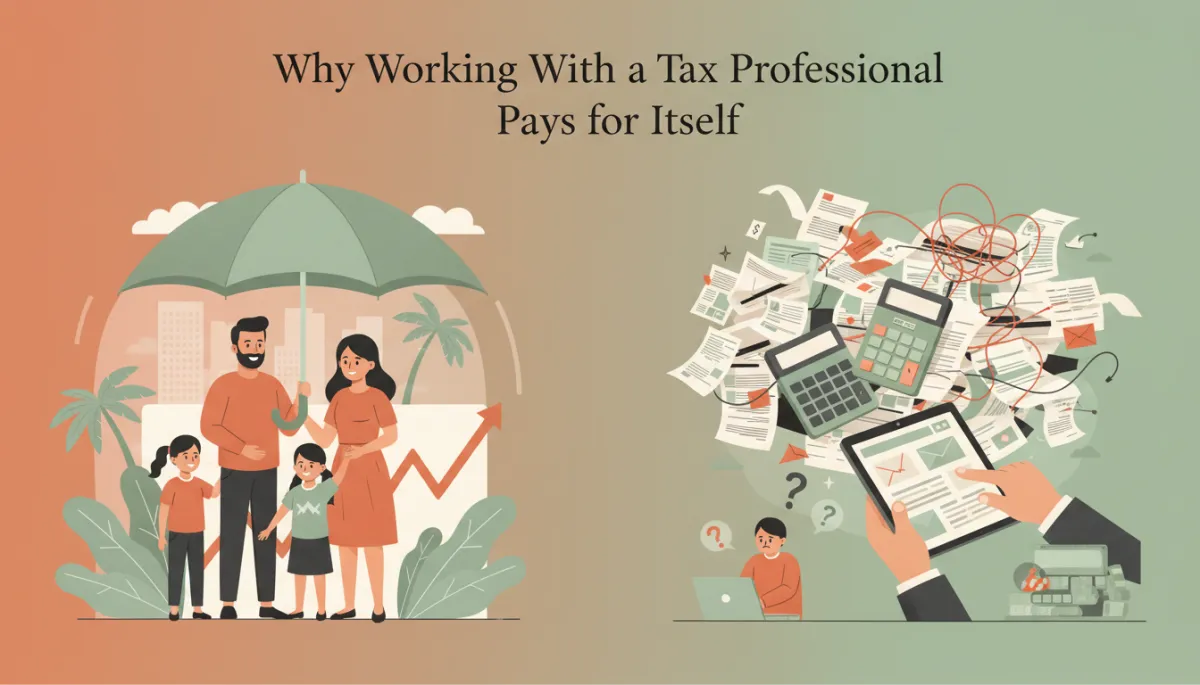
Most importantly, working with a tax professional provides peace of mind. Instead of scrambling each quarter, you operate from a clear plan: you know how much to set aside, when to make each payment, and how changes in your business or personal life will affect your tax picture. That clarity lets you focus on serving clients, growing your business, and enjoying South Florida’s lifestyle—rather than worrying about the IRS.
📌 Ready for help before Q3 hits?Book a free consultation with VF Family Tax Services and get a personalized Q3 estimate plus a plan for the rest of the year.
Take Action Now: Your Q3 Estimated Tax Checklist
With the Q3 estimated tax deadline approaching on or around September 15, 2026, now is the moment to act—not a week before, and definitely not after. Use this quick checklist:
1. Gather your numbers. Collect your income and expense records for the year so far (bank statements, app payouts, invoices, receipts).
2. Estimate your year‑to‑date profit. Subtract business expenses from your gross income to estimate your net profit.
3. Calculate or confirm your Q3 payment. Use Form 1040‑ES or work with a professional to determine what you should pay for Q3 based on your year‑to‑date income and prior payments.
4. Schedule your payment. Use IRS Direct Pay, EFTPS, or another approved method to submit your Q3 payment on time and keep a confirmation for your records.
5. Put a system in place. Set up a separate tax savings account and weekly tracking routine so Q4—and next year’s Q1—are easier.
Taking a proactive approach today means you will not be caught off guard when tax season arrives. Instead, you will have a clear, documented plan for meeting your obligations—quarter after quarter, year after year.
📌 Ready for Q3? If you are unsure how much you owe—or whether you should be paying estimated taxes at all—now is the time to get answers. Book a free consultation and let VF Family Tax Services handle the math so you can stay focused on your business.
For more guidance on upcoming payments, see our complete estimated tax guide and learn how to maximize write‑offs with how to track your self-employed deductions.
Related Articles
 Vivian Coleman Published on: 17/08/2026


